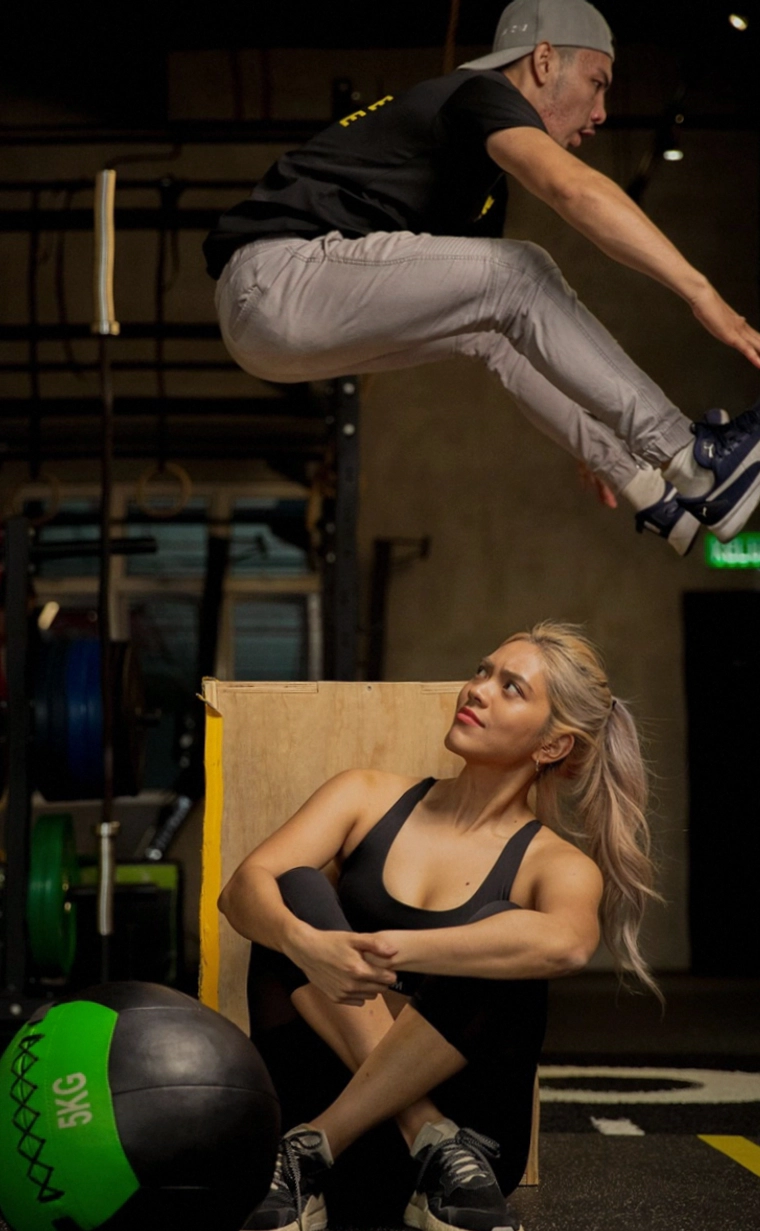
Recovery & mobility that keeps you training
Guided sessions, sauna and tissue work — the maintenance your joints deserve.
The whiteboard · Recovery
We pulled two years of member data from program cards and found the obvious: people who train less but recover more get stronger faster. Priya explains why rest days aren't the enemy of progress.
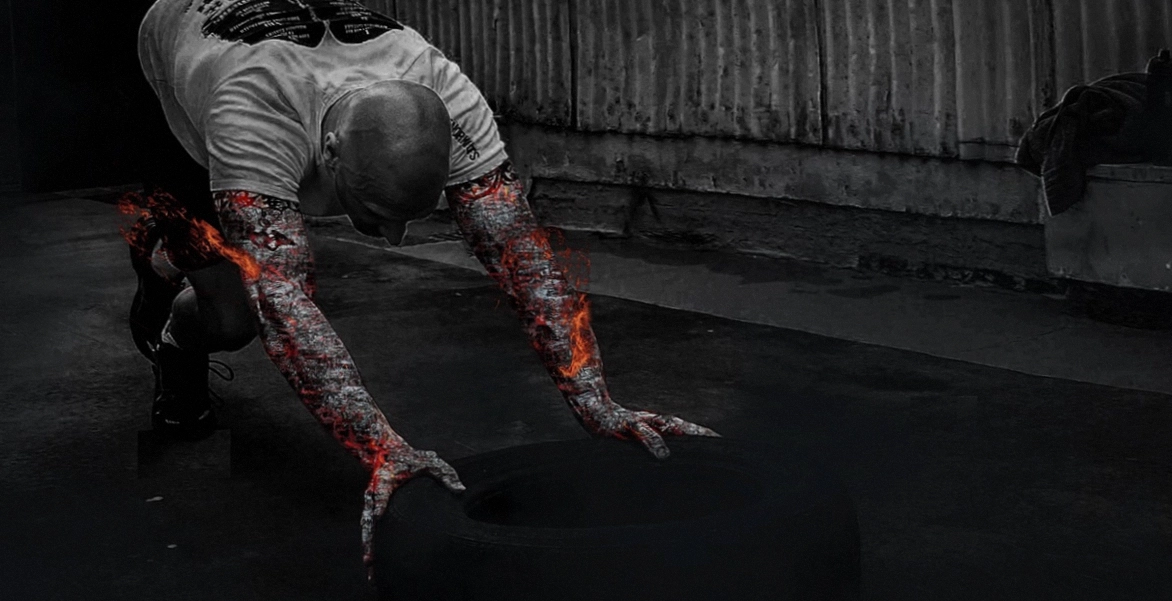
Since 2022 we've logged attendance against strength progress across member program cards. The pattern wasn't subtle: members training three days a week with proper rest outperformed the five-and-six-day crowd on nearly every measure.
The six-days-a-week group didn't just stall — they were also the ones showing up in the recovery corner with the cranky knees and the bad shoulders. Volume without recovery is just wear and tear.
Training is the stimulus; recovery is the adaptation. Muscle protein synthesis, nervous system recalibration, glycogen restocking — the actual 'getting stronger' happens between sessions, not during them.
Cut the between and you accumulate fatigue faster than fitness. That's why our strength blocks are three days, and why the timetable deliberately alternates hard and easy days.
The strongest members here aren't the ones who train most. They're the ones who recover on purpose.
— Priya Sharma
If recovery had a ranking, sleep wins by a mile. Seven to nine hours, consistently, beats every powder and gadget combined — it regulates the hormones doing the repair work and it's free.
The members who track sleep next to their lifts see the correlation in about three weeks: bad sleep week, flat numbers. It's not a coincidence, it's physiology doing bookkeeping.
Rest day doesn't mean sofa day — light movement helps blood flow and reduces soreness. A walk along the Waikato, easy swimming, or one of our guided mobility sessions works better than total stillness for most people.
The sauna helps too — soreness and sleep quality both respond well to 20–30 minutes post-session. It's why we put one in during the rebuild instead of another machine.
Three to four hard sessions a week, sleep like it's a prescription, one mobility session, eat enough protein. That combination beats the heroic six-day grind almost everyone tries first.
If your body feels like it's always one step behind your training, it probably is. Book a recovery session or talk to a coach — this stuff is fixable, usually within a fortnight.

Written by
Priya runs the recovery and mobility program at ChoiceUpliftLane. She's the person members thank when their knees survive a heavy block. Meet the whole crew.
More from the whiteboard
Guided sessions, sauna and tissue work — the maintenance your joints deserve.
More days doesn't beat better days — and four other myths we correct weekly.

The 5:45am fuelling answer, minus the magic shakes.
Book a recovery session this week and feel what programmed rest actually does.